
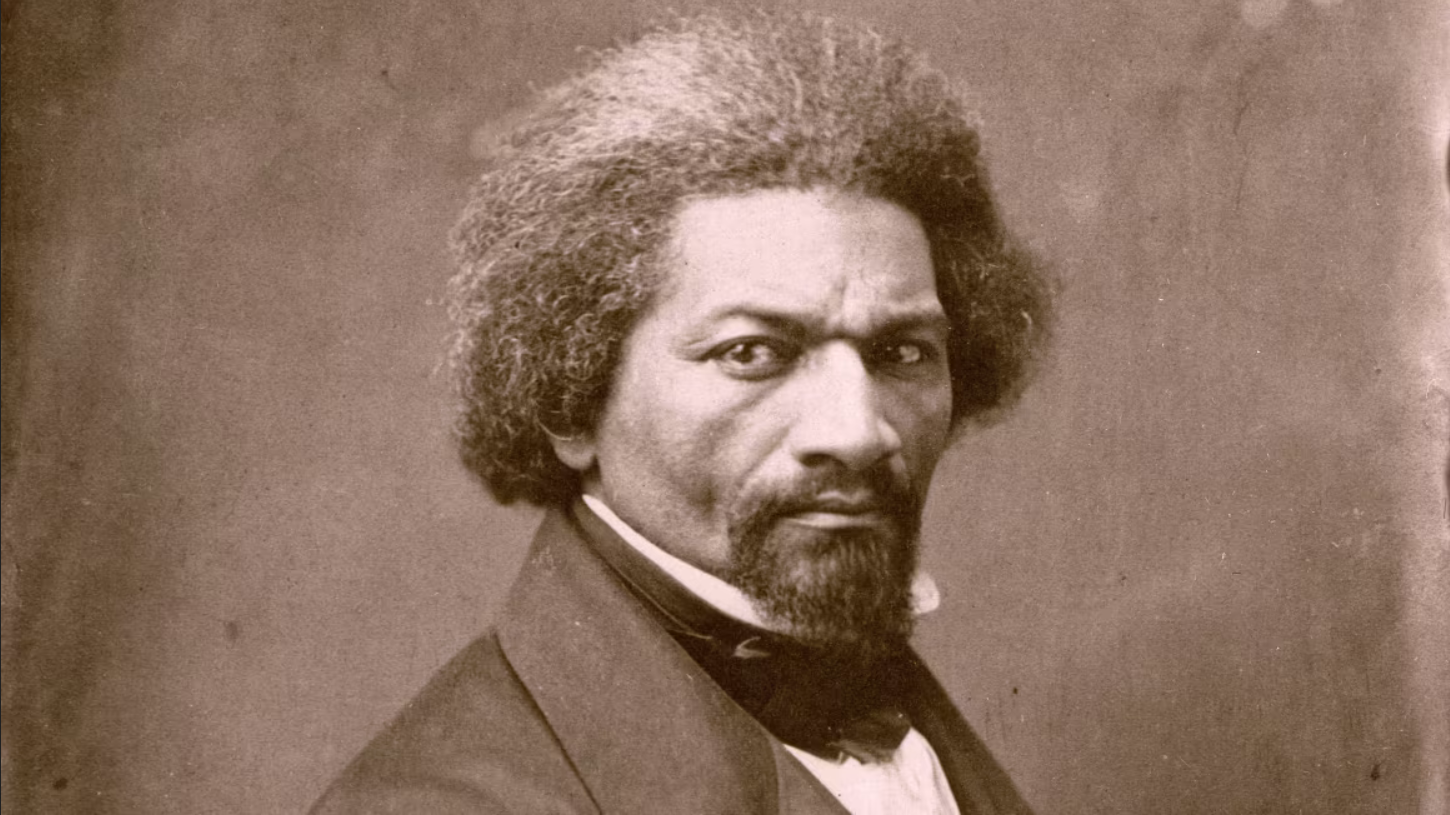
“The opposite of compromise is character.”
— Frederick Douglass
Immediatism vs Gradualism
The key doctrine which distinguishes abolition from rival approaches to national sin is known as immediatism; the opposing view is called gradualism or incrementalism.
As an illustration of the conflict between these two schools of thought, pro-life activists and legislators will put forward laws stating that it should be illegal to kill a child once she has a heartbeat. This kind of bill is marketed as an attempt to save some children, as a step toward gradually abolishing abortion. Abolitionists on the other hand will oppose this bill because it does not completely, immediately abolish abortion.
The resistance of abolitionists to incremental measures can seem like nonsense — why would someone who loves children and opposes their murder be against a law that protects at least some children? Aren’t incremental measures a good thing to enact, on the way to complete and total abolition? Without question, immediatism is counterintuitive in our day and age. In this article, we will attempt to describe why Bible-believing Christians are changing their minds to adopt a position which, to worldly thinkers, can seem very foolish.
Christ is Counterintuitive
This first, important point to recognize is that God’s entire plan of redemption
is counter-intuitive. This of course does not prove immediatism in any way, but
it’s worth remembering that God’s ways are often not our ways. Why would
the creator of the universe enter our world as a single cell, without ceremony,
implanted in the womb of a poor virgin, a carpenter’s wife? If His purpose in
coming was to crush the head of Satan (Gen 3:15), how could he accomplish
this by dying on a cross? For a brief period of history, God’s plan of redemption
makes it look as though Satan has won. Yet through His genius, God turned the
plan of Satan on his head, and used it to secure His own victory on the cross.
As we examine various philosophies and beliefs in the world, it’s important to
critique them on their biblical quality, not their perceived human rationale,
because very often God’s wisdom and ways are categorically different than our
own (Is 55:8). So just because an idea or doctrine offends the sensibilities of
normal thinking people, that doesn’t at all make it wrong; often the pragmatic
wisdom of man is the very thing that prevents us from seeing the truth of
God’s wisdom (1Co 1:25).
There are many godly, thinking people in history who have believed in
immediatism — against all of the advice of worldly thinkers. William
Wilberforce had to contend with gradualists like Henry Dundas in the British
fight against slavery. American abolitionists like William Lloyd Garrison had to
fight the American Colonization Society to effect abolition in our nation. As
Elizabeth Heyrick argued in the pamphlet quoted above, gradual abolition was
the primary obstacle that hindered the ending of the slave trade, because it
brought the Christians of her day to tolerate their greatest national sin through
an endless cry of pragmatic delay.
In the same fashion, the pro-life movement in our day has converted the cry,
“Protect all children now!” into the cry, “Protect some children now; protect
others later!” This is done under the belief that gradual steps are more
practical, and more humanly achievable than a cry for immediate and
uncompromising justice — and herein lies the error of gradualism. It is
conducted under the belief that sin can be abolished by human effort and
cunning.
Understanding Abolition
The pro-life movement is not a biblical movement, and their leaders often work against the ending of abortion. Tap into the principles below to learn the difference between abolitionist and pro-life efforts against abortion.
Abolition Is:
Work in the pro-life movement is often separated into those who offer assistance to women in need, and those who agitate for public change. Abolitionism holds that Christians are required to participate in both kinds of activity, speaking the truth in love. Uniting these two modes in every abolitionist prevents love from devolving into a false, untruthful form, and truth from being delivered in a cold and arrogant way.